Before You Push the Programme: The First Month of a Fit-Out Recovery

Photo: British Cartoon Prints Collection, Public domain, via Wikimedia Commons
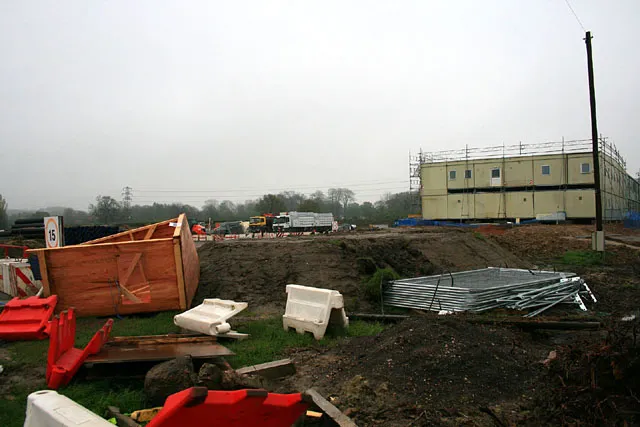
Inheriting a stalled fit-out is a test of discipline. The instinct is to restart works quickly, issue a revised programme and reassure stakeholders that the project is back on track. That instinct is understandable, but it is usually wrong. A fit-out that has stalled mid-project tends to have underlying causes: incomplete design, unresolved landlord approvals, contractor cash flow, disputed variations, poor information flow or a governance vacuum. If you push the programme before you understand those causes, you simply accelerate the next delay.
Days 1 to 5: stabilise the site and establish the facts
Safety comes first. Confirm arrangements under CDM 2015, site security, temporary works, permits, asbestos controls, fire precautions and utility isolation. Freeze changes except those that are safety-critical. Secure the site and preserve records. Collect the contract, drawings, specifications, current programme, change log, payment records, correspondence and meeting minutes. Interview key people separately. Appoint a single point of contact for the client and for the contractor or administrator. Notify the landlord or building manager. Resist the pressure to give a new completion date before you have evidence.
Days 6 to 10: reassess contracts and obligations
Review the contract form and amendments, scope, payment terms, retention, liquidated damages and termination rights. Establish whether the contractor is in default, whether the employer has caused delay, or whether both are true. Take legal and contract administration advice early. Map the supply chain: key subcontractors, outstanding orders, lead times and warranty positions. If the contractor is insolvent, consider novation, assignment or re-tendering. Quantify cost to date and cost to complete with independent quantity surveying support. This is not about allocating blame for its own sake; it is about knowing the baseline from which any recovery plan must start.
Days 11 to 15: rebuild the programme from evidence
Do not accept a revised programme that is simply a compressed version of the old one. Build a bottom-up programme from the remaining works. Identify long-lead items, inspections, landlord approvals and building control sign-offs. Test productivity assumptions. Add sensible contingency and identify the critical path and available float. Distinguish must-have scope from desirable scope. Ask whether phased handover, a reduced scope or a shell-and-core position could deliver operational benefit sooner. Define the minimum viable completion that the business can actually use.
Days 16 to 20: reset governance and communication
Establish a project board with clear decision authority. Agree roles and responsibilities. Introduce a weekly dashboard covering safety, cost, programme, risk and changes. Create a single source of truth for documents and decisions. Operate change control: no instruction without a cost and time impact assessment. Map stakeholders — client, landlord, tenants, funder, building control and neighbours — and set a communication rhythm. Be honest about dates. Bad news does not improve with delay, and stakeholders can usually tolerate uncertainty better than they tolerate evasion.
Days 21 to 30: decide to recover, re-scope or re-tender
There are three broad routes. Recovery is viable where the contractor is capable, the design is sufficiently complete, the issues are resolvable and the cost to complete is acceptable. Re-scoping is appropriate where the business case or funding has changed; define the reduced scope and the phased occupancy plan. Re-tendering makes sense where the contractor is incapable or insolvent, the scope is unclear or trust has broken down; plan the procurement, preserve the design and secure the site. Test each route against cost to complete, time to occupancy, risk, contractual exposure and market capacity. Whichever route is chosen, record why the project stalled and put controls in place so that the same pattern is not repeated.
The first thirty days are not about heroics. They are about restoring evidence, authority and a credible plan. Speed follows control, not the other way round.