Closing the Door Quietly: A Tenant's Checklist for Dilapidations and Lease Exit
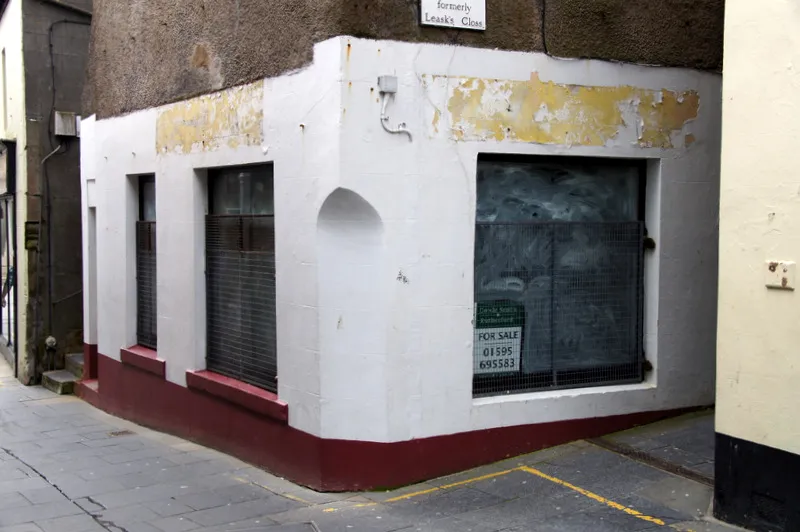
Photo: Mike Pennington , CC BY-SA 2.0, via Wikimedia Commons
For many UK businesses, the end of a commercial lease arrives with more urgency than expected. The move is planned, the new premises are secured, and then the dilapidations claim lands. The difference between a manageable exit and an expensive dispute often comes down to preparation carried out months, not days, before the keys are returned.
Start with the lease, not the clipboard
Before commissioning surveys or booking contractors, read the lease. Dilapidations obligations vary significantly. Some leases require full reinstatement to an original specification; others rely on a schedule of condition that limits liability. Break clauses may impose additional conditions, such as payment of all sums due or service of notice in a specific form. A tenant who assumes the lease says one thing without checking the actual wording can spend money on the wrong repairs or miss a critical deadline.
The 12-point defence checklist
-
Locate the schedule of condition and any photographic evidence. If the lease includes a schedule of condition, it is the single most important document in any dilapidations discussion. Check that the photographs and descriptions are legible, dated and match the premises you occupied. If they are incomplete, say so early.
-
Commission an independent dilapidations assessment. A chartered building surveyor can distinguish between repairs that are genuinely due under the lease and items that are improvements, betterment or simply wear and tear. This assessment gives you a negotiating position before the landlord's claim arrives.
-
Separate repair from reinstatement. Tenants often conflate the two. Repairing a damaged door is different from reinstating a partition that was removed. Understand which obligations apply and whether the lease allows a financial settlement instead of physical works.
-
Check the dilapidations protocol. For commercial property in England and Wales, the RICS dilapidations protocol sets out expected timescales and information requirements. A landlord who ignores the protocol may weaken their position. A tenant who understands it can respond more effectively.
-
Gather your own evidence throughout the term. Keep dated photographs of condition, maintenance records, service charge accounts and correspondence about repairs. If the landlord was notified of a defect and failed to act, that record matters. Evidence gathered over years is more persuasive than a rushed album compiled during the final week.
-
Prioritise works by cost and risk. Not every item in a schedule of dilapidations deserves the same attention. Focus first on items that are clearly enforceable, materially affect the landlord's letting prospects or carry a risk of forfeiture or break-clause failure. Minor decorative items can often be negotiated.
-
Talk to the landlord early. A conversation six months before lease end is cheaper than a dispute after handover. Ask for their expected dilapidations schedule and share your own assessment. Early dialogue can clarify whether the landlord intends to redevelop, which may reduce the scope of works they genuinely require.
-
Do not authorise works without a written scope. Contractors on site without a clear specification can create new liabilities. Agree the scope in writing, record the condition before work starts and keep invoices and completion certificates.
-
Watch the break-clause conditions. If the lease ends via a break clause, the conditions are usually strict. Outstanding rent, service charge or insurance contributions can invalidate the break. Diarise every payment and confirm receipt in writing.
-
Protect cash flow by negotiating a settlement. Where the lease permits, a financial settlement may be preferable to undertaking works yourself. It gives the landlord control over how the money is spent and gives the tenant certainty over the final cost. Ensure any settlement is recorded in a deed of release or written agreement.
-
Deal with service charge and utility reconciliations. Final service charge accounts can arrive long after handover. Ask for a clear statement of outstanding sums and keep a retention or reserve if appropriate. Meter readings, utility transfers and key returns should be documented on the day of handover.
-
Get a written release. The exit is not complete until the landlord confirms that the dilapidations claim is settled and the lease obligations are discharged. A handover certificate, a signed settlement or a deed of release protects the tenant against later claims. Do not rely on email silence as acceptance.
Common disputes that can be avoided
The most frequent arguments tend to be predictable. Landlords may claim for improvements that were never part of the original specification. Tenants may dispute whether fair wear and tear applies. Photographs may be missing or undated. Contractors may have carried out works that were not agreed. Each of these disputes is easier to resolve when the tenant has kept records and communicated in writing.
Closing cleanly
A clean lease exit is not about avoiding responsibility. It is about paying for what the lease actually requires, at a fair cost, without last-minute panic. Tenants who start early, seek professional advice and keep the landlord informed are better placed to protect cash flow and preserve a workable relationship through the final handover.
IPM Limited supports occupiers and property teams with practical project and compliance coordination during lease exits and refurbishment programmes. The most dependable outcomes begin with a clear understanding of obligations and a documented plan for meeting them.