The Collection That Never Came: Making Waste Logistics a Programme Discipline
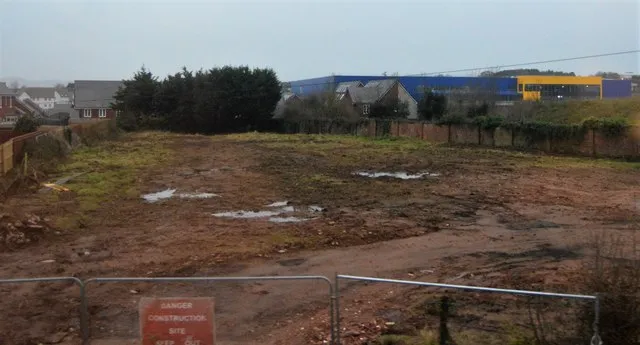
Photo: N Chadwick , CC BY-SA 2.0, via Wikimedia Commons
Waste is rarely the first item on a refurbishment programme. It is more often a container placed in the yard on day one and forgotten until it overflows. That approach works until a collection is missed, a load is rejected for contamination, or a waste transfer note cannot be produced at the final account. Each of those events costs time, and time is the one resource a commercial project cannot recover.
The argument here is straightforward: waste logistics belongs on the programme as a managed workstream. It is not a peripheral service. It is a sequence of decisions about space, segregation, documentation and access that must be made before the first skip arrives.
Arisings are a variable, not a constant
A single container sized for the whole project is a common but unreliable assumption. Waste arises in different quantities and forms at different stages. Strip-out produces timber, metal stud, plasterboard and general debris. Demolition or structural alteration may produce concrete, brick and packaging. Fit-out generates cardboard, plastic film, offcuts and specialist packaging. Each phase has its own volume, density and handling requirements.
A programme that anticipates arisings by phase can size containers accordingly and schedule collections before capacity is reached. It can also identify where segregation is practical and where space is too constrained. On urban sites, the constraint is often not the container itself but the vehicle access, the permit regime and the hours during which collections can take place. Those are programme matters, not housekeeping matters.
Hazardous arisings require earlier treatment still. Asbestos-containing materials, plasterboard, fluorescent tubes, waste electrical equipment, aerosols and solvent-based paints each carry separate handling and consignment requirements. The presence of any of these should be established during survey and reflected in the waste plan before work starts, not discovered when a load is refused.
Segregation determines both value and compliance
Mixed waste is convenient on site and expensive downstream. Segregated waste streams attract lower disposal costs, support recycling and reduce the risk of rejected loads. But segregation requires space, labelled containers and a workforce that understands which material goes where. It also requires a collection schedule that matches the number of containers on site.
A practical waste plan will identify the main streams expected, the containers required, the approximate collection frequency and the nominated person responsible for checking loads before they leave site. That person does not need to be a waste specialist, but they do need the authority to stop a contaminated load from being dispatched. A rejected load is cheaper than a load that is rejected at the transfer station after it has left site and disrupted the programme.
The waste hierarchy remains a useful discipline. Reduction and reuse should be considered before recycling, and recycling before recovery or disposal. On refurbishment projects, reuse opportunities are often missed because no one has asked the question early enough: can existing doors, sanitaryware, ceiling tiles or raised floor panels be retained or rehomed? The answer is sometimes no, but it should be a considered no.
Duty of care is a paper trail, not a poster
UK waste duty of care is well established. Any business that produces, stores, transports or disposes of waste must take reasonable steps to ensure it is handled lawfully. In practice, that means using registered waste carriers, completing waste transfer notes for non-hazardous waste and consignment notes for hazardous waste, and keeping those records for the required period.
The client's obligations do not disappear because a contractor is managing the site. The client remains a waste producer and should be able to demonstrate that the chain of custody is intact. Checking a carrier's registration on the Environment Agency public register is a simple step. Ensuring that European Waste Catalogue codes on transfer notes match the materials described is another. These are not bureaucratic niceties; they are the evidence that waste went where it was supposed to go.
Where a site waste management plan is used, it should be a live document rather than a tender attachment. Actual arisings should be recorded against estimates, and variances explained. That record is useful during the project and essential afterwards.
The final account test
At final account, waste should be evidenced, not merely invoiced. A client should expect to see the transfer and consignment notes for the works, the carrier registrations relied upon, and a reconciliation of estimated against actual arisings. If a significant variance appears, the explanation should be available.
It is not enough to be told that waste was included in the preliminaries. Preliminaries cover the cost; they do not cover the compliance record. The distinction matters when a landlord, purchaser, insurer or regulator asks for evidence after the project has finished.
A cheap form of programme protection
The cost of planning waste properly is modest. It involves a site visit, a conversation with the contractor, a container schedule and a nominated person. The cost of not planning it is measured in lost days, re-procured collections, rejected loads and a final account that cannot be closed cleanly.
On a UK commercial refurbishment, waste will arise whether or not it is programmed. The only question is whether it is managed as a workstream or discovered as a problem. The former is dull, documented and dependable. The latter is the reason a collection never came.