Empty Rooms, Full Obligations: Managing Vacant Commercial Property in the UK
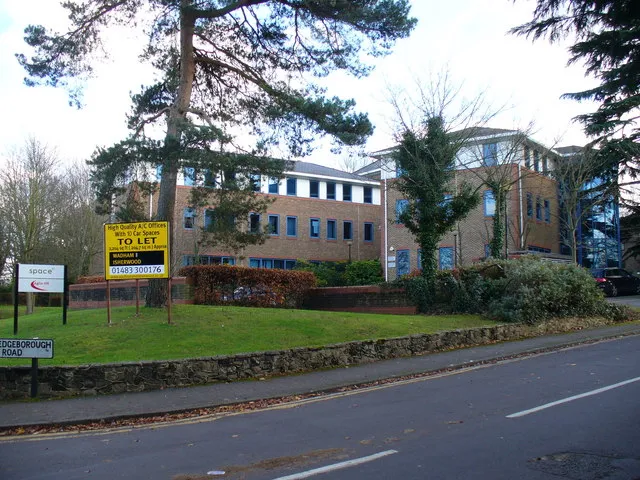
Photo: Colin Smith, CC BY-SA 2.0, via Wikimedia Commons
Vacant commercial property is rarely idle. The building may be empty, but the obligations attached to it continue: insurance conditions, statutory inspections, security, rates, utilities and the slow deterioration that follows a lack of daily use. For landlords and property managers, the risk is not simply lost rent. It is the accumulation of small, avoidable costs that make a building harder and more expensive to re-let.
The commercial objective is not to spend nothing on an empty asset. It is to spend deliberately, keeping the property safe, compliant and ready for inspection without overcapitalising before a tenant is in sight.
Vacancy Is Not a Pause
A void period is an active management phase. The landlord remains responsible for the building fabric, for statutory compliance and for the terms of the insurance policy. A property that is merely locked and left will usually deteriorate faster than one with a modest, consistent routine. Damp spreads, water systems stagnate, alarms develop faults and minor roof defects become ceiling collapses after a storm.
The practical response is a written void-property plan. It should name the responsible person, set inspection frequency, list statutory checks, record security arrangements and state what will be spent before a letting is agreed. The plan does not need to be lengthy. It needs to be followed and evidenced.
The Costs That Keep Running
The first hidden cost is insurance. Most commercial policies contain unoccupied-property conditions: inspection frequency, water isolation, heating maintenance, alarm response or removal of waste. Breaching those conditions can prejudice a claim. The landlord should confirm the conditions in writing and align the inspection routine to them rather than relying on memory.
Business rates are the second. Empty property relief is time-limited and varies by nation and property type. The billing authority should be told when the property becomes vacant, and the relief position should be checked rather than assumed. Rates can become payable while the building is still empty, and backdated liabilities are unwelcome.
Utilities are the third. Standing charges, capacity charges and safety obligations continue even when consumption falls. The aim is not to disconnect everything without thought, but to isolate where safe, maintain frost protection, keep water hygiene measures in place and avoid reconnection costs later. Security is the fourth: an empty building with no presence attracts fly-tipping, vandalism and, in some cases, unauthorised occupation. Physical security, access control and a monitored alarm are usually more cost-effective than repairing damage after the event.
Maintenance is the fifth. Fire systems, electrical installations, gas appliances, lifts and water systems still require attention. The frequency may change with occupancy, but the duty does not disappear. A small planned-maintenance budget is generally cheaper than a series of emergency call-outs.
A Room-by-Room Inspection Routine
A consistent walk-round is the foundation of vacant-property control. The inspection should be dated, photographed and filed. A simple template is sufficient; consistency matters more than complexity.
- Entrance and reception: check doors, locks, glazing, letterbox seals, alarm arming and any signs of forced entry.
- Open floors: look for damp patches, ceiling stains, leaks, pest activity, trip hazards and unauthorised items.
- Meeting rooms and cellular offices: check windows, ventilation, radiators and any residual furniture that could conceal damage.
- Kitchens and welfare areas: isolate where appropriate, check for leaks, run taps briefly, inspect appliance connections and confirm refrigeration is off and clean.
- Toilets and washrooms: flush outlets, check traps, look for leaks and confirm water hygiene records are current.
- Plant rooms and service risers: confirm access is secure, check for leaks, listen for alarms, record temperatures and verify that only authorised persons hold keys.
- Roof, gutters and loading areas: inspect from ground level where safe, clear debris, check drainage and note any fly-tipping or perimeter damage.
- External areas: confirm lighting, signage, bin stores, gates and car-park barriers are secure and that the site does not advertise its vacancy.
Any defect should be logged with an owner and a target date. Recurring issues, such as a persistent leak or repeated alarm fault, should be treated as a maintenance project rather than a series of small repairs.
A Cost-Control Checklist
- Confirm the insurance policy conditions for unoccupied property and record the required inspection frequency.
- Notify the billing authority of the vacancy and check empty property relief and any exemptions.
- Isolate utilities where safe, maintain frost protection and keep water hygiene measures current.
- Keep statutory inspections up to date: fire, electrical, gas, lifts and water systems.
- Move from reactive repairs to planned preventive maintenance for gutters, drains, roofs and building fabric.
- Secure the perimeter, control keys, test the alarm and review the security contract against actual risk.
- Remove waste and redundant furniture; empty buildings attract fly-tipping.
- Maintain a single site file containing certificates, logbooks, inspection records and photographs.
- Review spend monthly against the void-property plan rather than waiting for the next quarter.
- Consider meanwhile use only after checking insurance, planning and legal implications.
Readiness Without Overcapitalisation
A re-lettable building is not necessarily a refurbished one. The minimum standard is safe, compliant, clean and capable of being inspected without embarrassment. A dated reception can wait; a failed fire alarm cannot. Landlords should separate essential compliance works from cosmetic improvements and from tenant-specific fit-out.
The readiness plan should define the target occupier, the minimum acceptable condition and the spend required to reach it. Phased expenditure is usually preferable to a speculative refurbishment that may not match the next tenant's needs. A current schedule of condition also helps manage dilapidations and future lease negotiations.
Vacant property management is a discipline of small, regular decisions. The landlord who inspects weekly, records evidence and controls the obvious risks will usually spend less than the one who waits for a problem to become visible. IPM Limited supports landlords and property managers with practical, dependable oversight of empty commercial assets, keeping compliance and cost control in step with the reality of the building.